Camping Food and Cooking Guides
These camping food and cooking guides help you plan simple meals, choose a camp stove and cookware, store food safely, and manage water and cleanup. Match your camp kitchen to your trip, conditions, and available space.
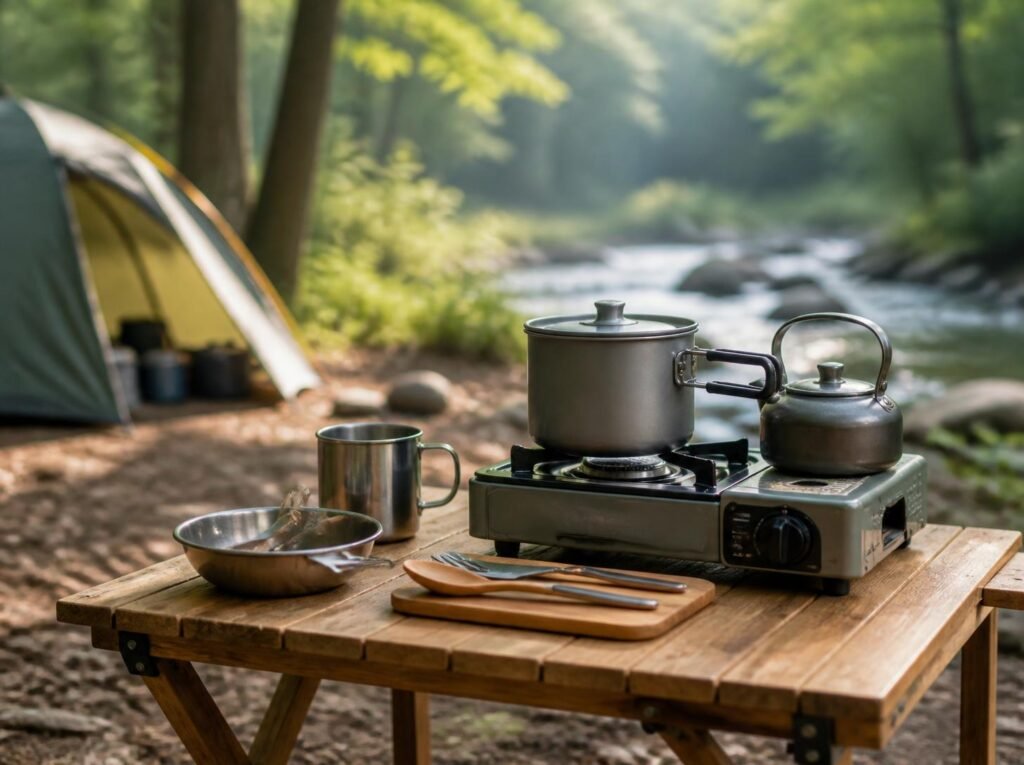
Build a Simple Camp Kitchen
Start with the kind of trip you are taking. A short car-camping weekend gives you more room for ingredients and cookware; a backpacking trip usually rewards lighter equipment, fewer ingredients, and meals that are easy to prepare.
Plan the Meals
Set a menu around trip length, group size, activity, and food preferences.
Choose Cooking Gear
Match the stove, fuel, pots, and utensils to the way you camp.
Store Food Safely
Keep food protected, manage leftovers, and follow local wildlife rules.
Plan Camping Food and Cooking Before You Leave
A simple menu reduces guesswork and helps you bring the right amount of food. Plan for each meal and snack, then check how ingredients must be stored and prepared.
- Trip length: Count breakfasts, lunches, dinners, and snacks for every person.
- Preparation: Pre-measure dry ingredients and group meal components before leaving home.
- Fuel and water: Consider how much cooking time and water each meal needs.
- Dietary needs: Account for allergies, preferences, and the food each person can eat comfortably.
- Backup: Carry a practical extra snack or meal suited to the route and conditions.
A Useful Planning Check
Before packing, ask:
- Can I prepare each meal with the gear I am bringing?
- Do I have the fuel and water the menu requires?
- Can ingredients stay safe for the full trip?
- How will I carry out packaging and food waste?
Choose Cooking Gear for Your Trip
The right setup is the one you can use safely and reliably in the places where you camp. Good camping food and cooking starts with a setup suited to your campsite. Check local fire restrictions and the manufacturer’s instructions before choosing a stove or cooking over an open fire. The National Park Service’s camp cooking guide also covers food storage and wildlife considerations.
Camp Stoves
Compare stability, fuel type, setup, and conditions the stove is designed for.
Cookware & Utensils
Bring only the pots, utensils, and serving pieces required by your menu.
Fuel & Ignition
Confirm fuel compatibility, carry enough for the plan, and store it as directed.
Camping Food Safety, Storage, and Water
Keep meals safe by planning how food will be stored, prepared, and transported. Follow current local guidance, especially where wildlife may be attracted to food or where water treatment is needed.
For guidance on keeping perishable food cold, preventing cross-contamination, and cooking food safely outdoors, read the USDA’s food safety advice for hiking and camping.
01
Keep Food Protected
Use suitable containers and follow local rules for food storage and wildlife protection.
02
Manage Temperature
Use appropriate cooling when needed and follow authoritative food-safety guidance for perishable ingredients.
03
Treat Water as Needed
Check local water guidance and use a treatment method suitable for the water source and risks.
Leave Your Campsite Clean
Clean up as you go so that cooking does not leave a difficult task at the end of the trip. Follow the rules for your campsite or trail area, and pack out waste wherever required.
- Secure leftover food and wrappers promptly.
- Clean cookware according to local guidance and keep wash water away from natural water sources unless local rules specify otherwise.
- Pack out rubbish and food scraps when required.
- Store scented items and food as directed by the local land manager.
Make Cleanup Easy
Bring only the cleaning items you need, a way to contain rubbish, and a plan for transporting leftovers. Check campsite rules before you leave home.
Camping Food and Cooking FAQs
What food is easiest to prepare while camping?
Choose meals that match your trip, equipment, weather, and food-storage options. Simple recipes with a short ingredient list can reduce preparation and cleanup.
How much cooking gear should I bring?
Start with your menu, then bring the stove, compatible fuel, cookware, and utensils needed to prepare and eat those meals. Avoid packing items that have no clear use for the trip.
How should I store food at camp?
Follow the rules for your campground or land manager, especially local wildlife guidance. Use suitable containers and cooling where required, and plan for all food, rubbish, and scented items.