
Tents and Sleep Systems Guides
Explore these tents and sleep systems guides to choose shelter, sleeping bags, and sleeping pads for your trip. Learn how to compare weather protection, insulation, weight, packed size, and comfort for different conditions.
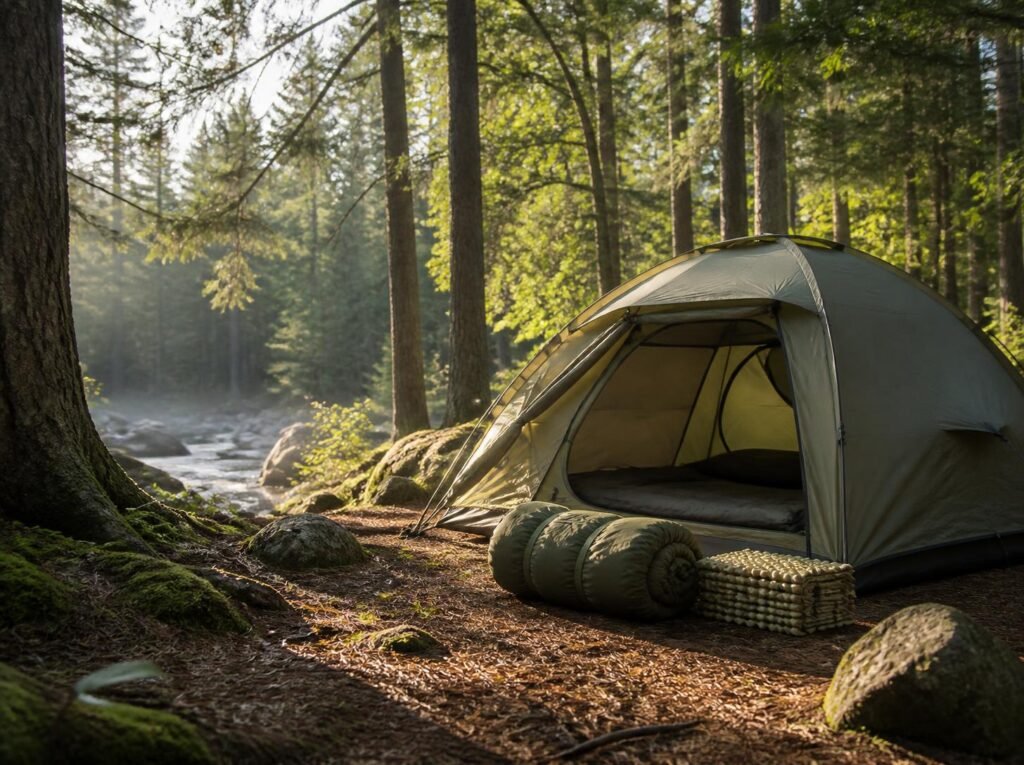
How Tents and Sleep Systems Work Together
A good night outdoors depends on more than one piece of gear. Think about shelter, insulation, and the surface between you and the ground as a system, then choose each part for the conditions and trip you are planning.
Choose a Tent
Balance weather protection, space, weight, and setup.
Choose a Sleeping Bag
Match insulation and shape to the expected conditions.
Choose a Sleeping Pad
Consider warmth, comfort, packed size, and ground conditions.
Choosing Tents and Sleep Systems for Your Trip
When choosing tents and sleep systems, start with the conditions and the way you travel. A tent for a windy shoulder-season trip may need different weather protection and structure from a shelter used on a mild summer weekend. Your sleeping bag and pad should complement the shelter and expected overnight temperatures.
- Capacity: Consider sleeping space, packed gear, and how much room you want to move.
- Weather protection: Review the tent’s intended conditions, rain protection, ventilation, and wind guidance.
- Weight and packed size: These matter more when you carry the tent for long distances.
- Setup: Practice pitching it before the trip and confirm the stakes and guylines you may need.
Before You Buy or Pack
- Will the tent suit the expected conditions?
- Can you pitch it confidently?
- Does it fit the people and gear you need to shelter?
- Have you checked local camping rules?
Choosing a Sleeping Bag
Sleeping bags differ in insulation, shape, weight, packability, and the conditions they are designed for. Read the manufacturer’s temperature guidance carefully, and consider how warm or cold you tend to sleep.
- Temperature guidance: Compare the rating and understand what comfort and lower-limit figures mean for that product.
- Insulation: Down and synthetic fills differ in weight, pack size, care, and how they respond to moisture.
- Shape and fit: A closer fit may reduce empty space, while a roomier design can feel more comfortable for some people.
- Trip and climate: Consider humidity, expected lows, and whether you can keep the bag dry.
Pair the bag with an appropriate sleeping pad. A bag’s stated rating is not a guarantee that every sleeper will feel comfortable at that temperature.
For more detail on temperature ratings, insulation, and weight, read REI’s backpacking sleeping bag guide.
Why a Sleeping Pad Matters
A sleeping pad adds cushioning and helps reduce heat loss to the ground. Compare insulation, thickness, packed size, weight, durability, and the type of surface where you plan to sleep.
For more detail on pad types, insulation, and R-value, read REI’s sleeping pad buying guide.
Foam Pads
Simple and durable, with little setup and no inflation required.
Inflatable Pads
Often pack small and offer varied thickness, but need careful handling.
Self-Inflating Pads
Combine foam and air; compare packed size, weight, and the product’s instructions.
Care for Tents and Sleep Systems
A little practice at home can make camp setup easier. Follow the instructions supplied with each item and account for local site rules and conditions.
01
Practice Before the Trip
Pitch the tent and learn its poles, stakes, guylines, and ventilation options.
02
Keep Insulation Dry
Pack sleep gear to protect it from rain and damp ground, using a dry bag when suitable.
03
Air and Store Correctly
After the trip, clean and dry gear as directed by the manufacturer before long-term storage.
Tents and Sleep Systems FAQs
How do I choose a tent for backpacking?
Consider the expected conditions, capacity, packed weight, setup, ventilation, weather protection, and the amount of gear you need to shelter. Choose a design intended for the conditions you expect.
Should my sleeping bag and pad be chosen together?
Yes. Think of them as part of one sleep system. Review the sleeping bag’s temperature guidance and the pad’s insulation information, then account for the forecast and how warm or cold you tend to sleep.
How can I keep my sleeping bag dry?
Protect it while packing, avoid placing it directly on wet ground, and follow the manufacturer’s care instructions. Dry and air the bag thoroughly after use before storing it long term.