
Camping Guides and Skills
Use these camping guides and skills to build practical outdoor habits: navigate with a map and backup, prepare for changing weather, recognize trail hazards, set up camp responsibly, and follow Leave No Trace principles.
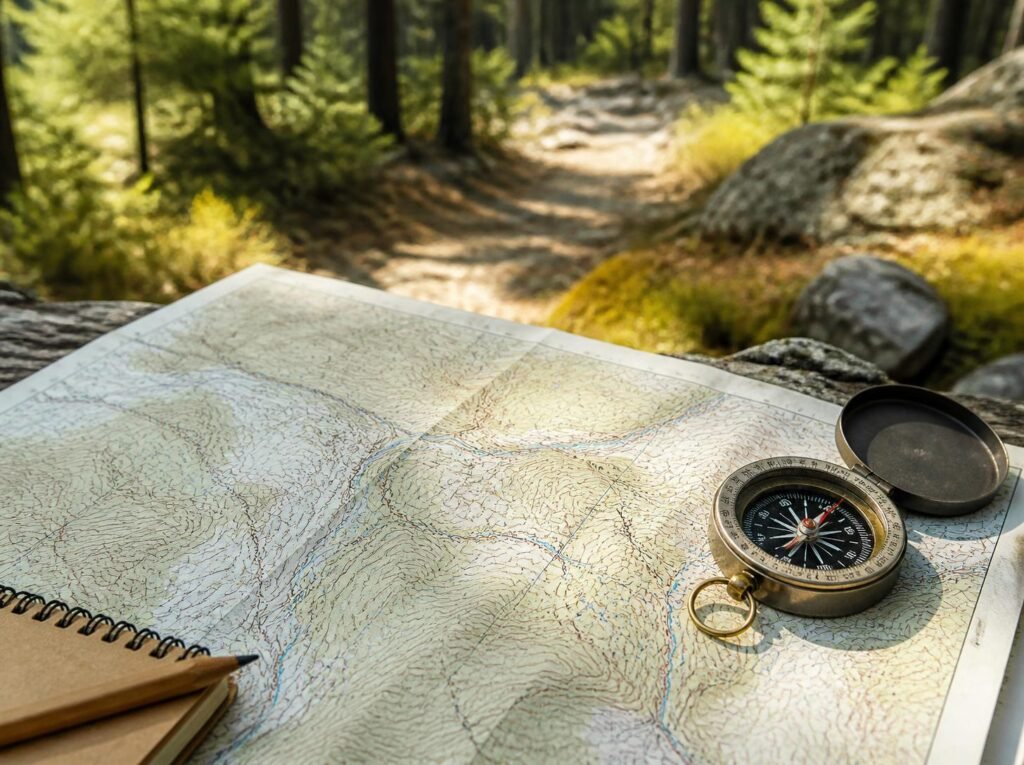
Camping Guides and Skills for Safer Trips
Good outdoor habits start with a few repeatable basics: know where you are going, understand the conditions, and leave the place as you found it.
Navigation & Route Planning
Read your route, estimate timing, and keep a backup navigation option.
Weather & Trail Safety
Check conditions, prepare for change, and know when to turn back.
Camp Skills & Low Impact
Set up camp thoughtfully and reduce your impact outdoors.
Navigation Skills: Map, Compass, and GPS Backup
Know your route before you set out. Use a current map and reliable route information, and make sure the plan matches the experience and ability of everyone in the group.
- Review distance, elevation gain, terrain, access restrictions, and estimated travel time.
- Learn key junctions, trail markers, and possible exit points before you start.
- Carry a navigation backup that does not depend entirely on a phone battery or mobile signal.
- Share your route and return time with someone who is not on the trip.
For groups, agree on a meeting point and what to do if anyone becomes separated. Match the route to the least-experienced person, allow extra time for breaks, and avoid relying on a single phone or navigation app. If the route or conditions become unsafe, turning back is a sound decision—not a failure.
Quick Navigation Check
- Can I identify my position on the map?
- Do I know the next junction or landmark?
- What if the route is unclear?
- Where can I safely exit?
Weather, Preparedness & Trail Safety
Outdoor conditions can change quickly. Check the forecast and local trail updates before departure, then reassess if wind, temperature, daylight, or the condition of the group changes.
Before leaving, check the forecast for the exact area and trip dates, including wind, rain, heat, and thunderstorm risks. Conditions can change quickly on exposed terrain, so identify safer shelter options and set a turnaround time before you start. The U.S. National Weather Service shares additional outdoor recreation weather-safety guidance for hazards such as lightning, flash flooding, and extreme heat.
Check Conditions
Review forecasts, closures, warnings, daylight, and local advice.
Carry the Essentials
Bring layers, light, first-aid supplies, food, water, and navigation suited to the trip.
Know When to Turn Back
Set a turnaround time and change plans when conditions require it.
Camp Skills & Low-Impact Habits
Set up camp thoughtfully and follow the rules for the place you are visiting. Good campcraft means choosing an appropriate site, using equipment as intended, and leaving the area clean for the next visitor.
01
Choose the Site Carefully
Use established campsites where available and follow local rules about where camping is permitted.
02
Follow Fire and Wildlife Rules
Check fire restrictions and store food and rubbish as local guidance requires.
03
Leave No Trace
Respect wildlife, stay on durable surfaces, and pack out rubbish when required.
Low-impact camping also means staying on established trails and durable surfaces, packing out rubbish, respecting wildlife, and following local fire and campsite rules. Practices can vary by location, so read the rules for the park or public land you plan to visit. The National Park Service explains these principles in its Leave No Trace camping guidance.
Before You Head Out
Use this quick reminder, then adapt it to the route and local guidance.
- Check the latest forecast, trail status, and access restrictions.
- Carry navigation and safety equipment appropriate for the route.
- Tell someone your route and expected return time.
- Bring suitable food and water, and plan for changes.
- Review local camping, fire, wildlife, and waste rules.
Camping Guides & Skills FAQs
Which camping skills should I practice first?
Start with the basics: use a map and navigation backup, check the weather, recognize when trail conditions are unsafe, and understand the campsite’s fire, wildlife, and waste rules. Practice setting up your gear before the trip.
Why should I carry a navigation backup?
Phones can lose charge, break, or be out of signal. A backup helps you understand your location if the primary tool fails.
How can I reduce my impact at camp?
Use established sites where available, follow local fire and wildlife rules, respect other visitors, and pack out rubbish when required.