
Backpacking Gear List: What to Bring on a Backpacking Trip
Use this backpacking gear list to pack the essentials for shelter, sleep, food, water, clothing, and safety on your next backpacking trip.
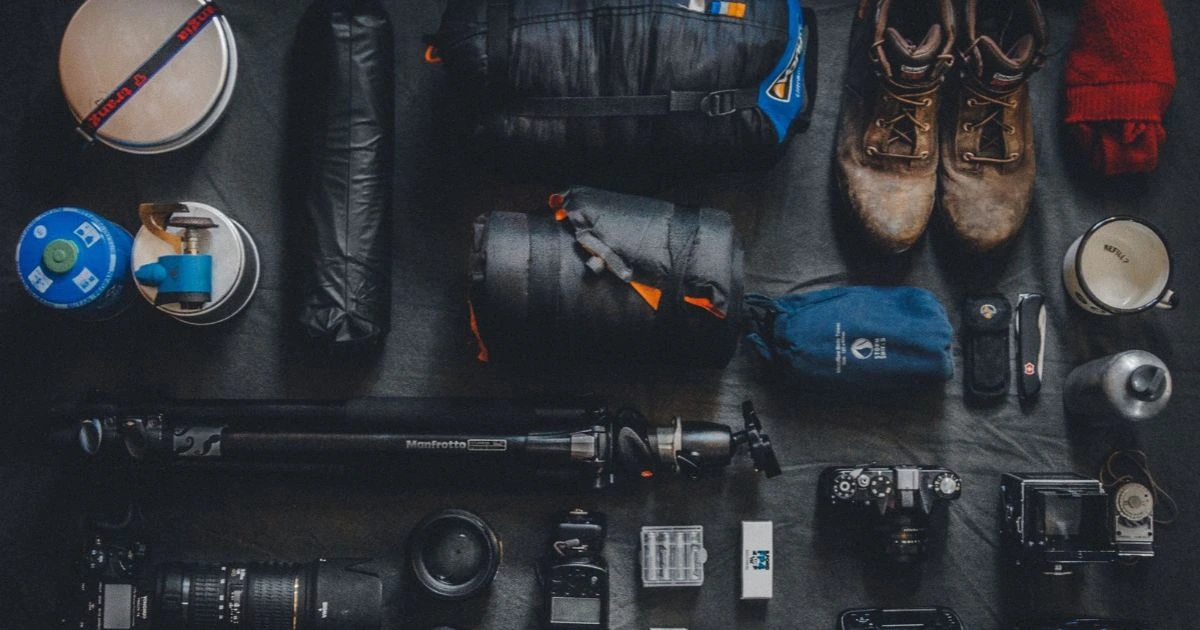
A solid backpacking gear list keeps you safe, comfortable, and fed without weighing you down. Bring too little and a cold night or a blister can ruin the trip. Bring too much and every mile feels longer than it should.
This guide covers what to bring on a backpacking trip, from the big three (pack, shelter, and sleep system) to food, water, clothing, safety gear, and a few optional comforts. Adjust the list for your route, season, expected weather, and trip length, then use the checklist at the end before you leave. For help arranging these items inside your pack, see our guide to packing a backpack for backpacking and hiking.
Essential Backpacking Gear List for Every Trip
Backpacking Gear List: Backpack, Tent, and Sleeping System
These three items make up most of your pack weight, so choose them carefully.
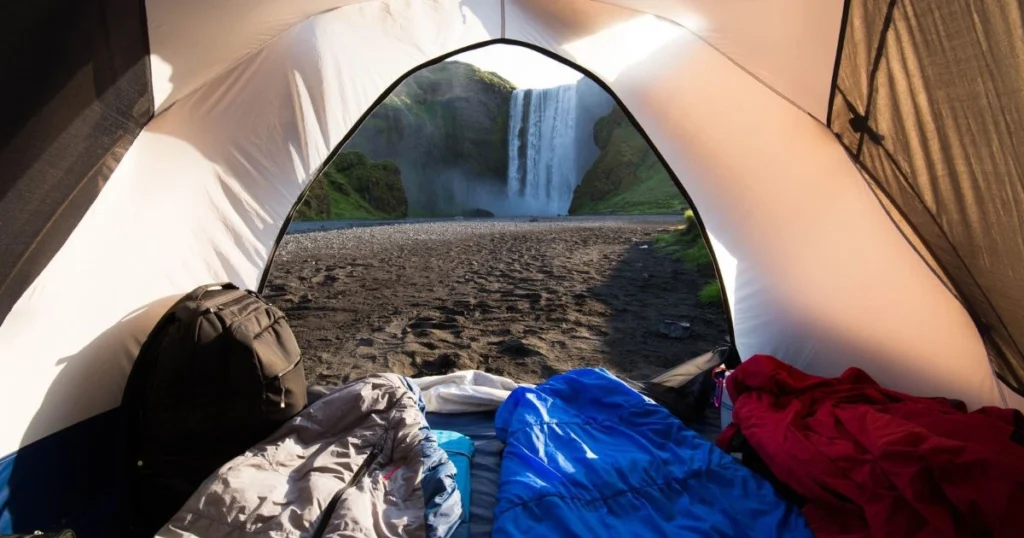
- Backpack: Pick a pack sized for your trip. Around 40 to 50 liters suits a weekend, and 50 to 70 liters suits longer trips or colder weather. Fit matters more than features, so get measured for torso length if you can.
- Shelter: A tent, tarp, or hammock system with stakes, guylines, and a footprint or groundsheet if needed. Check that you have every pole and stake before you leave.
- Sleeping bag: Choose a temperature rating at or below the coldest night you expect. Pack it in a waterproof stuff sack.
- Sleeping pad: It insulates you from the cold ground as much as it cushions you. Match the pad’s R-value to the season.
- Pack liner or rain cover: Keeps the contents dry in wet weather.
Essential Safety and Navigation Gear
Never rely on a single method to find your way.
- Navigation: Map and compass, plus a GPS device or phone with offline maps. Know how to use them before you need them.
- Headlamp: Bring spare batteries or a charging option.
- Knife or multi-tool: For gear repairs and food prep.
- Fire starter: Waterproof matches, a lighter, or both.
- Whistle and signal mirror: Light, cheap, and useful in an emergency.
- Repair kit: Duct tape, a patch for your pad, cord, and a few safety pins.
- Satellite communicator (optional but recommended): Valuable on remote routes without cell coverage.
Backpacking Gear List for Food and Water
Cooking Equipment and Food Supplies
Plan food by the day, and pack a little extra in case the trip runs long.
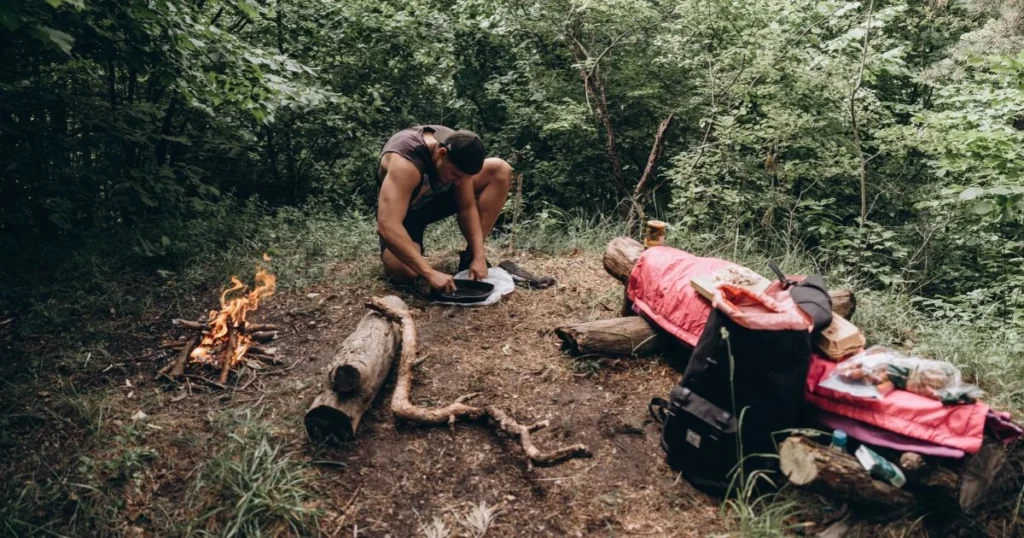
- Stove and fuel: Estimate fuel by the number of days and people. Test your stove at home first.
- Pot and spoon: A single lightweight pot and a long-handled spoon cover most trail meals.
- Mug and bowl: One of each, or a mug that doubles as a bowl.
- Lighter or matches: Keep a backup in a separate place.
- Meals: Dehydrated meals, instant oatmeal, tortillas, nut butter, couscous, or instant rice work well because they are light and fast.
- Snacks: Trail mix, energy bars, jerky, dried fruit, and electrolyte mixes. Aim for easy-to-reach options you can eat on the move.
- Food storage: A bear canister, bear bag, or odor-proof bag, depending on local rules.
- Trash bags: Pack out everything you pack in.
Water Bottles, Filters, and Purification
Plan your water carefully, especially on dry routes.
- Water bottles or reservoir: Carry enough capacity for the longest stretch between reliable water sources. Two to three liters may suit some trips, but hot weather, strenuous hiking, and long dry sections can require more; check your route and water availability before setting out.
- Water filter or purifier: A pump filter, squeeze filter, or gravity system removes most bacteria and protozoa.
- Backup treatment: Chemical tablets or drops weigh almost nothing and cover filter failures. Some treat viruses, so check the label.
- Collapsible container: Handy for carrying extra water to camp.
Check water sources on your route before you go, and note which ones may be dry in late season.
Backpacking Gear List for Clothing and Footwear
Hiking Clothes and Comfortable Footwear
Dress in layers and avoid cotton, which holds moisture and chills you when wet.
- Hiking shirt: Synthetic or merino wool.
- Hiking pants or shorts: Quick-drying fabric.
- Underwear: Moisture-wicking, one to two pairs.
- Socks: Two to three pairs of wool or synthetic hiking socks, plus one pair for sleeping.
- Footwear: Trail runners or hiking boots, broken in well before your trip. Choose what fits your terrain and your feet.
- Camp shoes (optional): Lightweight sandals or slip-ons to rest your feet in the evening.
- Hat and sunglasses: For sun protection while you walk.
Rain Gear and Cold-Weather Layers
Weather can change fast, so pack for conditions colder and wetter than the forecast suggests.
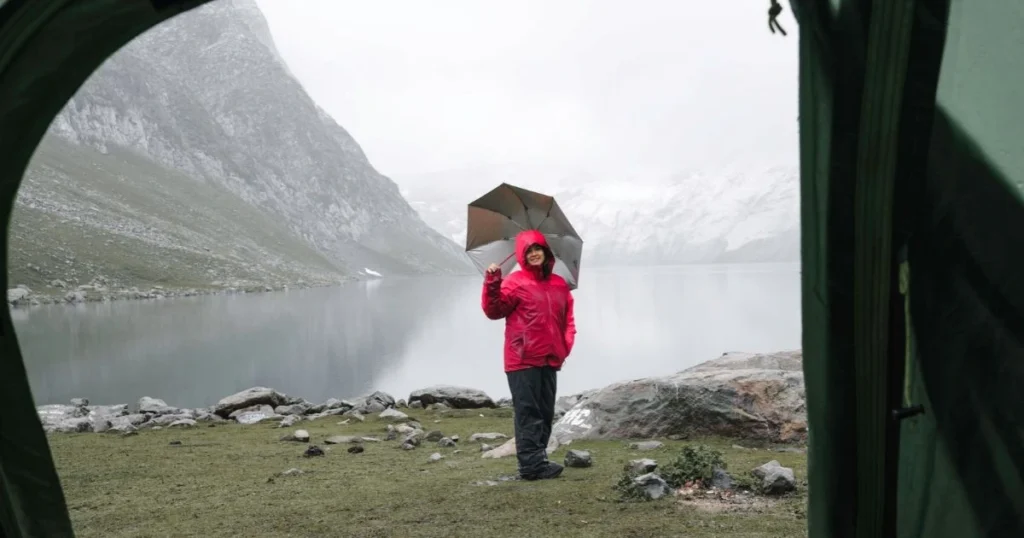
- Rain jacket: Waterproof and breathable, with a hood.
- Rain pants (optional): Worth the weight in cold or very wet climates.
- Insulating layer: A fleece, synthetic puffy, or down jacket for camp and rest stops.
- Base layer: A long-sleeve top and bottom for sleeping or cold mornings.
- Warm hat and gloves: Small, light, and valuable once the sun goes down.
Keep your spare clothes in a dry bag, and save one dry set for sleeping.
Personal Care and Emergency Supplies
Hygiene Essentials and Sun Protection
Keep your hygiene kit small and low-impact.
- Toothbrush and toothpaste: Travel size.
- Biodegradable soap: Follow local guidance and Leave No Trace principles; when washing, stay at least 200 feet (about 60 meters) from lakes and streams and avoid contaminating water sources.
- Trowel: For digging catholes where there are no toilets.
- Toilet paper and a bag to pack it out: Follow local rules for waste.
- Hand sanitizer: For use before eating and after the bathroom.
- Sunscreen and lip balm with SPF: Reapply often, especially at altitude.
- Insect repellent: Or a head net for buggy seasons.
- Quick-dry towel (optional): A small one works for cleanup.
First Aid Kit and Emergency Items
A compact first aid kit should cover common trail problems, and you should know how to use it.
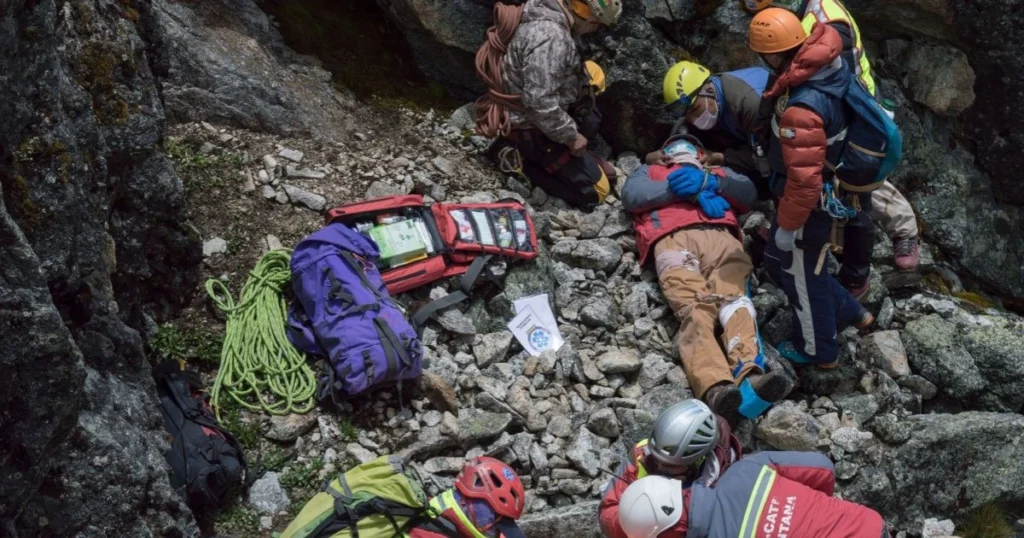
- Bandages and gauze: Assorted sizes, with medical tape.
- Blister care: Moleskin or blister pads, because blisters are the most common backpacking injury.
- Antiseptic wipes: For cleaning cuts and scrapes.
- Pain relievers and antihistamines: Plus any personal medications you take.
- Elastic bandage: For sprains.
- Tweezers and small scissors: For splinters, ticks, and trimming tape.
- Emergency blanket or bivy: Lightweight protection against heat loss.
- Written emergency plan: Share your route and expected return time with someone at home.
Optional Backpacking Gear for Extra Comfort
Once you have the essentials covered, you can add a few extras if weight allows. Choose only what you will actually use.
- Trekking poles: Reduce strain on knees and help with stream crossings and descents.
- Camp chair or sit pad: A big comfort upgrade at the end of a long day.
- Camera or portable battery: For photos and keeping devices charged.
- Book, journal, or cards: For downtime in camp.
- Pillow or inflatable pillow: Makes sleep noticeably better.
- Lightweight daypack: Handy for summit side trips from a base camp.
- Hot drink extras: Tea, coffee, or cocoa for cold mornings.
Each extra adds weight, so weigh the comfort it gives you against the miles you will carry it.
Backpacking Gear List Checklist Before You Leave
Run through this quick check before you head for the trailhead:
- Big three: Pack, shelter (with all poles and stakes), and sleeping bag and pad are packed and tested.
- Navigation and safety: Map, compass, headlamp, fire starter, whistle, and repair kit are in the pack.
- Food and cooking: Enough meals and snacks for each day plus extra, a working stove with fuel, and food storage.
- Water: Bottles or reservoir, a filter or purifier, and backup treatment.
- Clothing: Layers for hiking and for camp, rain gear, warm layers, and spare socks in a dry bag.
- Personal care: Toiletries, sunscreen, bug repellent, trowel, and trash bags.
- First aid and emergency: Kit stocked, personal medications packed, and emergency blanket included.
- Final steps: Check the weather, share your itinerary with someone at home, and weigh your loaded pack. Use any body-weight percentage only as a rough planning guide, not a universal rule. Comfort, fitness, terrain, trip length, and the weight of essential safety gear all matter.
A reliable backpacking gear list becomes easier to refine with every trip. Keep notes on what you used and what you didn’t, and adjust the list so your pack gets lighter and your trips get better.