
How to Pack a Backpack for Backpacking & Hiking: The Complete Guide
Learn how to pack a backpack for backpacking and hiking: what goes at the bottom, where heavy gear belongs, and how to stay balanced and dry.
How to Pack a Backpack for Backpacking & Hiking: Start Here
Two hikers can carry the same gear and have completely different days: one finishes with a sore back and a swinging pack, the other barely feels the load. The difference is almost always how the pack was loaded.
Knowing how to pack a backpack for backpacking comes down to three goals: keep the weight stable and close to your spine, put what you need within easy reach, and protect your gear from the weather. This guide covers each one, whether you’re planning a day hike or a multi-day trek.
How to Organize Gear Inside Your Backpack
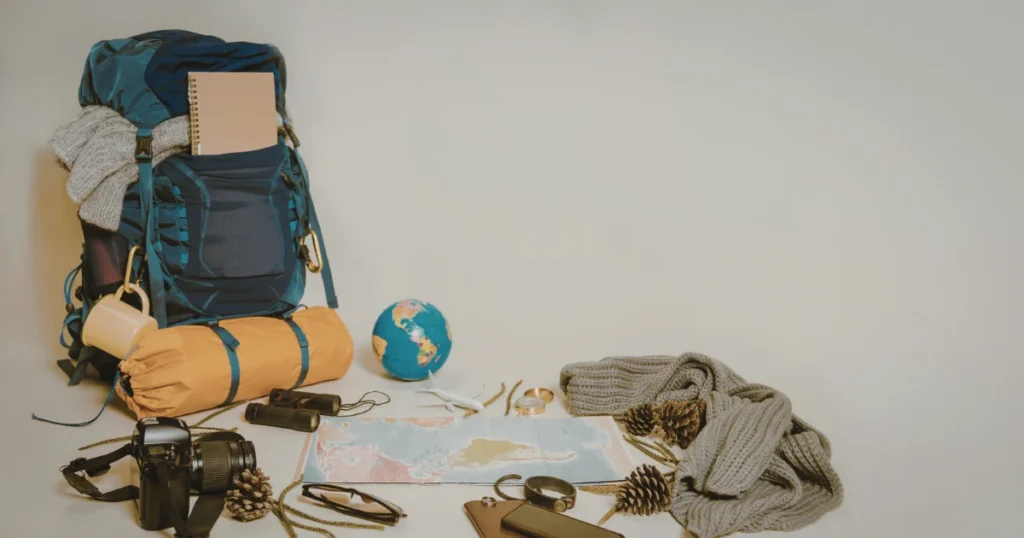
Think of your pack as three zones:
- Bottom: bulky, lightweight gear you won’t need until camp.
- Middle (against your back): your heaviest items.
- Top and outer areas: things you’ll want during the day.
Before you start, lay everything out on the floor, group it by when you’ll need it, and pack in that order. Use stuff sacks or compression bags to keep categories together (sleep system, kitchen, clothing), and fill empty spaces with soft items like socks so nothing shifts while you walk.
What to Pack at the Bottom of Your Backpack
The bottom of your pack is for light, compressible items you won’t need on the trail:
- Sleeping bag (compressed in a dry bag)
- Sleeping clothes and camp shoes
- Extra insulation you don’t expect to wear until evening
This base layer cushions the rest of the load and gives your pack a solid foundation. Many backpacking packs have a separate sleeping bag compartment at the bottom, built for exactly this purpose.
Where to Place Heavy Items in Your Backpack
Heavy gear is the key to a balanced pack. Place your densest items (food, water reservoir, stove and fuel, bear canister, and the tent if it’s heavy) close to your back and centered between your shoulder blades and lower back.
This keeps the weight over your hips, where your body carries load most efficiently, and prevents the pack from pulling you backward. Heavy items loaded too low make the pack sag; too high or too far from your back, and you feel top-heavy and wobbly on uneven ground.
On rough terrain or scrambling routes, many hikers shift heavy items slightly lower for stability. On smooth, well-maintained trails, a slightly higher placement feels more natural.
What to Keep Near the Top of Your Backpack
Anything you might need before you set up camp belongs at the top or in easy-to-reach spots:
- Rain jacket and a warm layer
- First aid kit
- Snacks and lunch
- Headlamp
- Map, compass, or navigation backup
- Toilet kit
Ask yourself one question: “Would I be annoyed to unpack everything to get this?” If yes, move it up.
How to Organize Backpack Pockets and External Gear
Pockets are for small, frequently used items. A common setup:
- Hip belt pockets: snacks, phone, lip balm, sunscreen
- Side pockets: water bottles, a tent pole, or trekking poles when not in use
- Front stretch pocket: wet layers, a rain shell, or a map
- Lid pocket: keys, wallet, headlamp, small essentials
Strap external gear such as a sleeping pad, trekking poles, or a tent only when it won’t fit inside, and cinch it tightly. Loose gear swings, catches on branches, and throws off your balance. Keep the outside of your pack streamlined.
How to Balance Your Backpack for Hiking
A balanced pack carries weight evenly from left to right and sits close to your body.
- Distribute left to right. If a water bottle goes in one side pocket, put another or an item of similar weight in the other.
- Keep it centered. Avoid stacking heavy gear on one side of the main compartment.
- Tighten the straps in order. Start with the hip belt (it should carry most of the load), then the shoulder straps, then the load lifters, then the sternum strap.
- Test it. Walk around for a few minutes and make adjustments. If the pack sways or pulls on one shoulder, repack before you leave.
How to Keep Your Backpacking Gear Dry
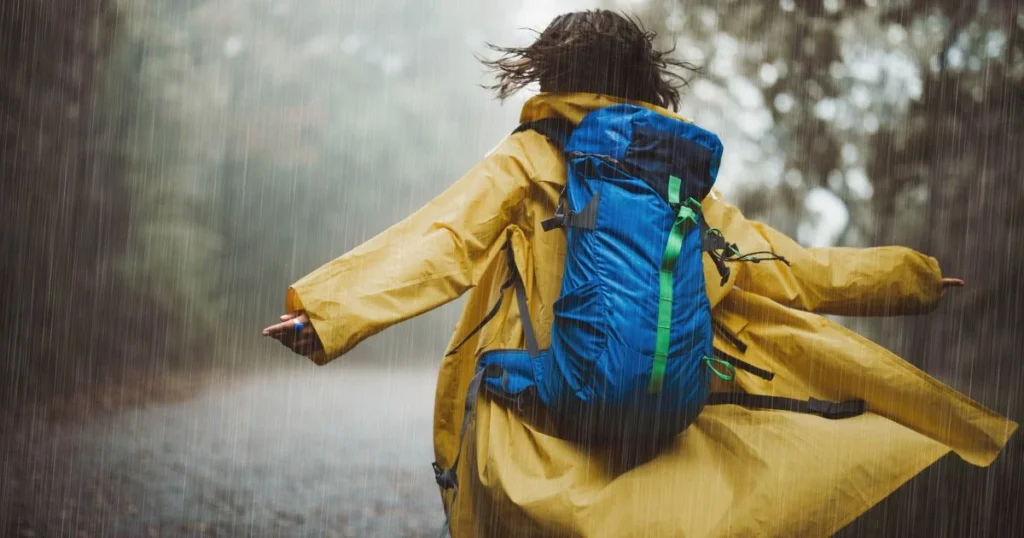
Even “water-resistant” packs let water in during a long rain. A reliable approach uses layers of protection:
- Pack liner: a heavy-duty trash compactor bag or dedicated liner inside the main compartment.
- Dry bags: for your sleeping bag, spare clothes, and electronics.
- Pack cover: useful for keeping the outside from soaking up water, though it won’t replace a liner.
- Separate wet gear: store a wet tent or rain jacket in an external pocket or a separate bag so it doesn’t soak everything else.
Your sleeping bag and dry clothes are the two things you can least afford to get wet. Protect those first.
Common Backpack Packing Mistakes to Avoid
- Overpacking. Pack for the conditions you expect, not every scenario you can imagine.
- Heavy items too low or too far from your back. This creates a pulling, swinging feeling.
- Burying essentials. Rain gear, snacks, and water should never be at the bottom.
- Too much gear on the outside. It adds sway and risks losing items on the trail.
- Uneven weight. A pack that leans to one side wears you out quickly.
- Skipping the test. Never carry a freshly packed bag for the first time at the trailhead.
How to Check Your Backpack Before Hitting the Trail
Do a quick check before you start walking:
- Put the pack on and tighten the hip belt, then the shoulder straps.
- Make sure the weight rests mostly on your hips, not your shoulders.
- Shake it lightly. If items shift or rattle, add padding or compress the load.
- Confirm that water, snacks, rain gear, and navigation are within reach.
- Check that all zippers and buckles are secure and straps are tucked away.
Take a short walk, ideally with a few steps up and down, and make final adjustments before you commit to the trail.
Frequently Asked Questions About How to Pack a Backpack
How Should a Beginner Pack a Backpack?
Start simple. Put light, bulky items (sleeping bag, clothes) at the bottom, heavy items (food, water, stove) close to your back in the middle, and daily-use items (jacket, snacks, first aid) on top or in pockets. Use stuff sacks to stay organized, and do a trial pack at home. Walk around the block with it before your first trip so you can adjust.
How Heavy Should a Packed Backpack Be?
A common guideline is to keep your loaded pack at around 10 to 20 percent of your body weight, and many beginners find 20 percent a comfortable ceiling. Experienced backpackers sometimes carry more on longer trips, but heavier packs demand better fitting and fitness. Fit, terrain, and trip length matter as much as the number on the scale, so choose a weight you can carry comfortably all day.
Should a Sleeping Bag Go at the Bottom of a Backpack?
Yes, in most cases. A sleeping bag is light, compressible, and not needed until camp, which makes it ideal for the base of your pack. Keep it in a waterproof stuff sack or dry bag so it stays dry whatever the weather does.